Cross-Platform Reward Chains: How Query Resolution Speeds Shape Activation Rates for Tiered Offers Spanning Reel Accumulations, Dealer Tables, and Match Forecasts
Uma Hansen · Aug 12, 2026
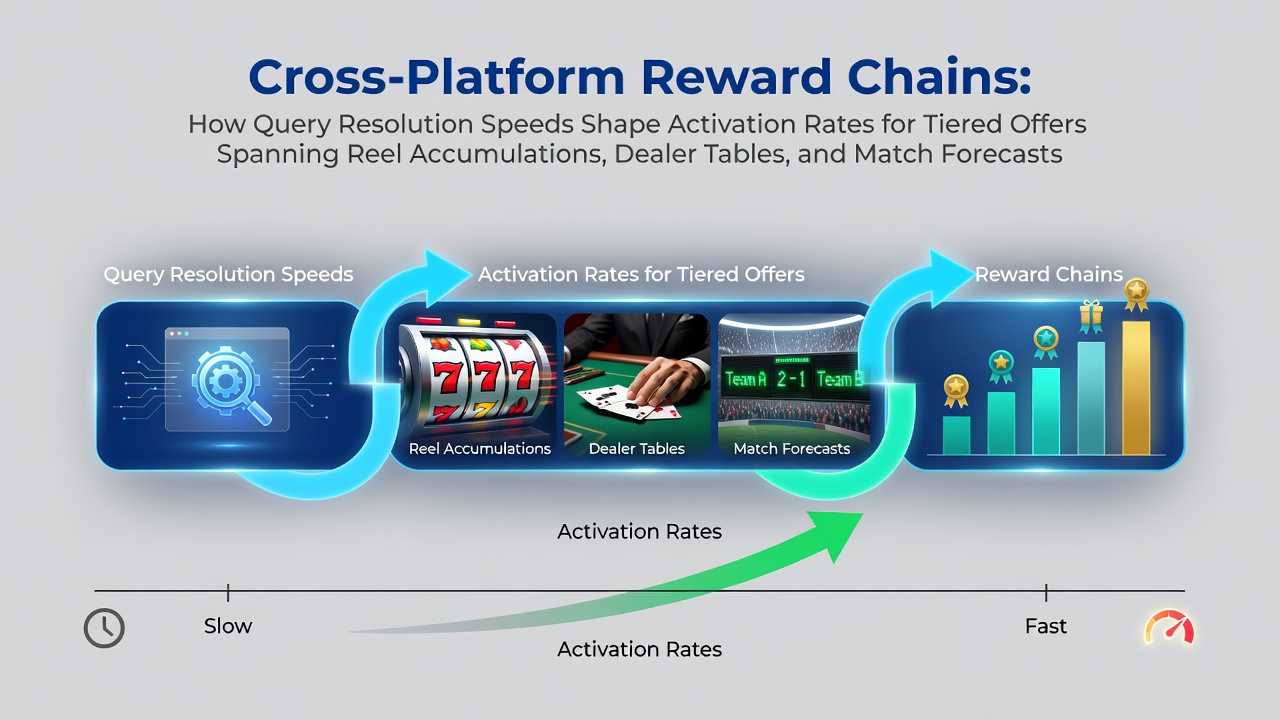
Cross-Platform Reward Chains: How Query Resolution Speeds Shape Activation Rates for Tiered Offers Spanning Reel Accumulations, Dealer Tables, and Match Forecasts
Operators have expanded reward structures that link progress across slot machines, live dealer sessions, and sports betting markets, and query resolution speed has emerged as a measurable factor in how quickly participants unlock successive tiers. Data collected from multiple platforms indicates that when support or system queries clear within minutes rather than hours, activation rates for chained offers rise by measurable margins, particularly when the offers require coordinated play across reel accumulations, table games, and match forecasts.
Mechanics of Cross-Platform Reward Chains
Tiered promotions now frequently require players to accumulate points or complete milestones that span different verticals, so a single unresolved query can stall advancement in all three areas at once. Platforms track these chains through centralized ledgers, yet the time required to verify eligibility or resolve discrepancies directly influences whether users move from one reward level to the next before the offer window closes. Observers note that delays compound when verification involves both automated checks and manual review, which occurs most often at the transition between reel-based progress and table-game requirements.
Query Resolution Speed and Activation Data
Industry reports show that platforms achieving average resolution times under four minutes record activation rates for multi-tier offers that exceed those of slower systems by double-digit percentages. One study covering North American and Australian operators found that each additional minute of wait time correlated with a 7 to 9 percent drop in users completing the second tier of chained rewards. These patterns hold across regions where regulatory frameworks require documented response metrics, including oversight by the Nevada Gaming Control Board and reviews from the Australian Gambling Research Centre.
Reel Accumulations
Slot-based progress within these chains typically involves progressive meters or bonus round triggers that feed into a shared reward account. When a player reports a meter discrepancy or bonus credit delay, the speed of resolution determines whether accumulated value carries forward into dealer-table milestones or sports forecast requirements. Systems that route such queries to automated verification first, then escalate only when needed, maintain higher continuity rates through the reel phase.
Dealer Tables and Live Verification
Live dealer environments introduce additional variables because session logs and bet histories must align with the central reward ledger in real time. A query about a missed side bet or a disputed card outcome can interrupt the chain if resolution extends beyond the current gaming session. Platforms that maintain dedicated live-chat teams for table disputes report faster handoff to the next reward tier, while those relying on general support queues see more drop-off between table milestones and subsequent match-forecast legs.
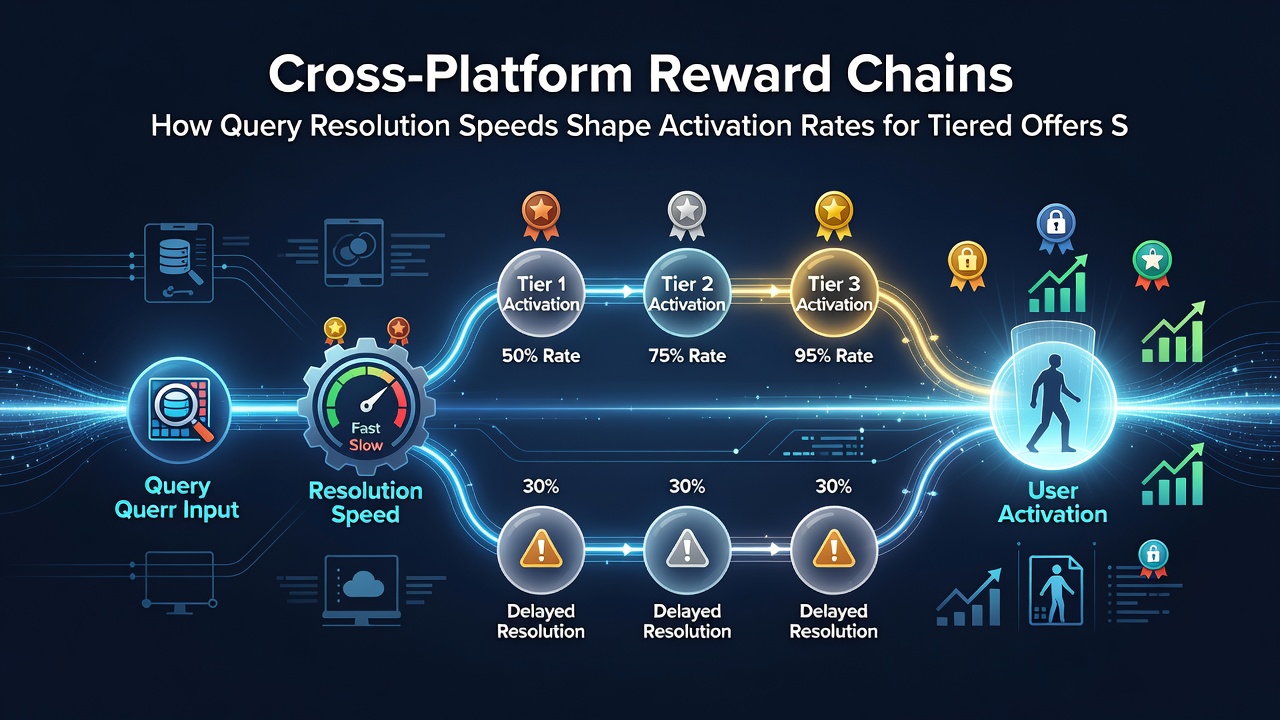
Match Forecasts and Timing Pressures
Sports betting legs within the same reward chain often carry time-sensitive conditions tied to specific events or betting windows. When a prior query from the reel or table phase remains open, players may miss the window to place required forecasts, breaking the chain. Data from operators active in August 2026 shows that pre-event query routing, which flags potential conflicts before matches begin, reduces such breaks by keeping the reward status current across all three verticals.
Regional Regulatory Context
Frameworks in multiple jurisdictions now require operators to publish average response times for player queries that affect reward eligibility. These disclosures allow comparison across markets, and early figures from Canadian provincial regulators alongside European trade associations indicate that shorter resolution windows correspond with higher completion percentages for cross-vertical offers. The requirement to document both automated and manual steps has prompted platforms to invest in integrated ticketing systems that tag queries by reward-chain stage.
Implementation Patterns Observed in 2026
Operators that segment query types by vertical and assign specialized teams report consistent gains in tier completion. A pattern emerges where queries originating from reel accumulations receive priority routing because they often feed directly into table and forecast requirements. In contrast, table-related disputes sometimes require video review, extending resolution and creating bottlenecks that affect later sports legs. Platforms addressing this sequence through parallel processing maintain steadier activation curves throughout the full chain.
Conclusion
Cross-platform reward chains depend on seamless data flow between reel accumulations, dealer tables, and match forecasts, and the speed at which queries clear remains a documented variable in activation outcomes. Available figures from regulatory disclosures and operator reports demonstrate measurable differences tied to resolution timelines, while implementation choices around routing and specialization continue to shape how efficiently participants progress through successive tiers.