The Synchronization of Transaction Networks with Player Activity in Platforms Integrating Virtual Card Matches and Live Sports Predictions
Uma Hansen · Aug 23, 2026
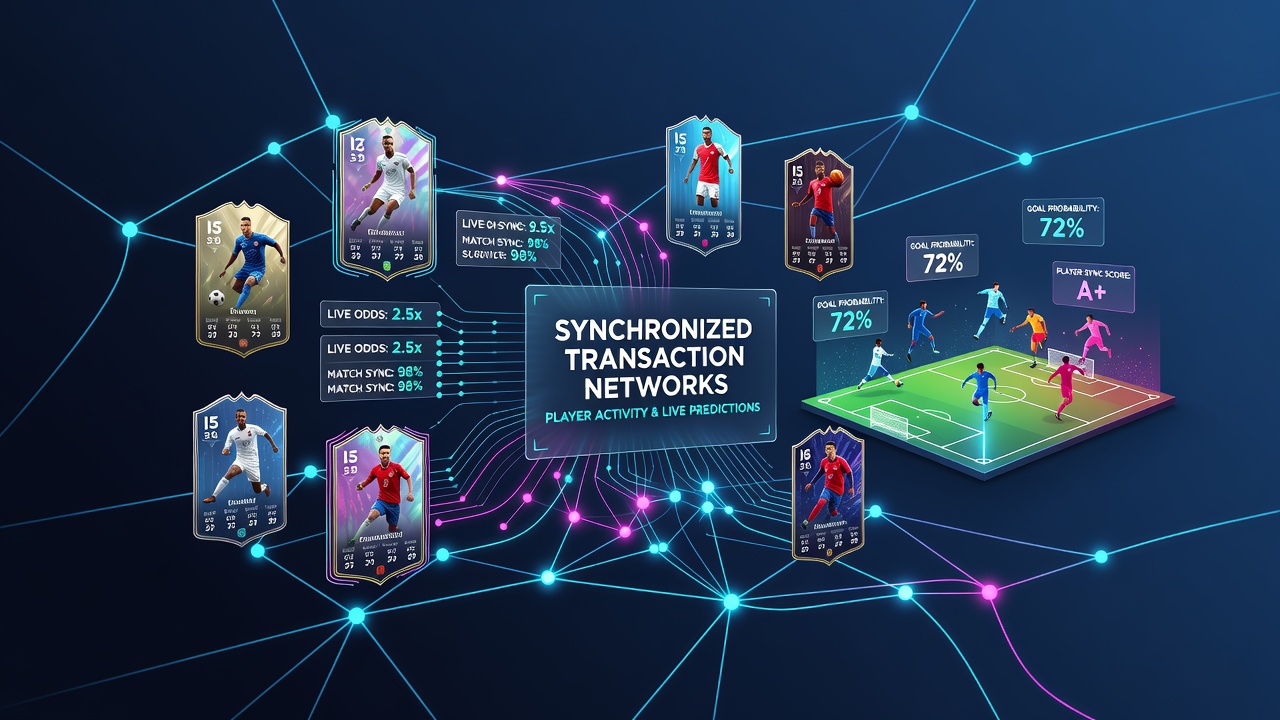
The Synchronization of Transaction Networks with Player Activity in Platforms Integrating Virtual Card Matches and Live Sports Predictions
Platforms that combine virtual card matches with live sports predictions rely on transaction networks that align payment flows directly with user actions across both segments. Observers note that these systems process deposits, withdrawals, and in-game transfers in coordination with betting patterns, creating a unified data environment where card table activity and sports event forecasts share the same financial infrastructure.
Core Mechanisms of Network Alignment
Transaction networks achieve synchronization through API connections that update player balances instantly as wagers are placed or resolved in virtual card environments and during live sports events. Data from these platforms shows that real-time ledgers track sequences of deposits tied to specific card hands or in-play soccer bets, allowing the system to adjust available funds without separate processing delays. Researchers have documented cases where a single account maintains continuous activity across dealer-hosted tables and athletic forecasts because the underlying payment rails receive simultaneous inputs from both game engines.
Payment processors integrate with platform databases so that a withdrawal request initiated after a virtual poker session can reference pending sports prediction outcomes still in progress. This linkage reduces reconciliation errors and supports the continuous movement of funds that match the pace of live events unfolding in August 2026 across multiple time zones.
Player Activity Patterns and Funding Dynamics
Studies of user behavior reveal that participants often alternate between card matches and sports predictions within single sessions, prompting transaction networks to handle rapid sequences of micro-transactions. Figures from industry monitoring indicate that deposit spikes frequently coincide with the start of major athletic events, while card table sessions generate steadier but smaller increments throughout the day. Those who analyze retention metrics find that platforms maintaining synchronized ledgers report higher rates of repeated engagement because players encounter fewer interruptions when shifting between game types.
One documented pattern shows that users who receive instant balance updates after a blackjack hand tend to place follow-up sports bets more quickly than those who experience processing lags. Regulatory filings from multiple jurisdictions document these flows without attributing causation, yet the data consistently links seamless transaction handling to extended platform dwell times.

Regulatory and Technical Considerations
Government agencies in several regions require platforms to maintain audit trails that connect every transaction to its originating game type, whether a virtual card match or a live sports prediction. The Nevada Gaming Control Board publishes guidelines that emphasize real-time reporting capabilities, while Australian state regulators have issued comparable standards for integrated iGaming systems. These rules encourage the adoption of unified ledgers that prevent discrepancies between reported player activity and actual fund movements.
Technical implementations often incorporate blockchain elements or distributed databases to timestamp actions across card tables and sports markets simultaneously. Industry reports from the European Gaming and Betting Association note that such architectures support compliance verification without separating the two product categories into isolated financial silos.
Examples of Operational Integration
Platforms operating in multiple markets demonstrate how transaction networks adapt to varying regulatory clocks. In one instance, a system processed a series of deposits during an evening card tournament that later funded live tennis predictions as the event progressed into early morning hours in another region. Observers tracking these operations note that the same payment gateway handled both stages without requiring players to re-authenticate or transfer balances manually.
Additional cases involve loyalty programs that award points based on combined volume across card matches and sports forecasts, with the transaction network automatically allocating rewards once thresholds are reached. Data from these implementations shows consistent accuracy in crediting accounts when the underlying ledgers remain synchronized.
Conclusion
Transaction networks that stay aligned with player activity across virtual card matches and live sports predictions enable platforms to manage continuous fund flows while meeting regulatory expectations. Evidence from multiple jurisdictions and technical implementations indicates that this synchronization supports the operational requirements of hybrid gaming environments without separating the financial pathways of each product category. As platforms continue to evolve through 2026, the integration of these systems remains a central element in maintaining consistent player experiences across both card-based and sports-based offerings.